Financial Calendar from Roses to Tax Time
By mid‑February the flowers are drooping, the last of the heart‑shaped chocolates have disappeared, and your banking app quietly reminds you what “a nice night out” actually cost. Valentine’s Day is over, but the bill is still there sitting on top of higher groceries, power and rent or mortgage payments that already feel heavy this year.
That mix of gentle regret and good intentions is actually a handy moment. Rather than beating yourself up about one dinner, you can use this week to sketch a simple 2026 money calendar. Think of it as a rough plan for the rest of the year, built for real life: school terms, rate changes, tax time, Black Friday and Christmas.
Why a money calendar matters in 2026
Household budgets are under pressure. Living costs rose for all household types through 2025, with some families seeing increases of more than 4 per cent, particularly where energy and housing make up a big chunk of the budget. A third of Australian homeowners are already saying they’re struggling with repayments, and a noticeable share have missed at least one mortgage payment in the past six months.
At the same time, many people say financial health is their top resolution for 2026, but their day‑to‑day spending hasn’t really shifted yet. A simple calendar can bridge that gap: you don’t need to become “perfect with money”, you just need a few key weeks in the year where you zoom out, make decisions and nudge things in a better direction.
February: the post‑celebration reset
Use the Valentine’s aftermath as your first checkpoint.
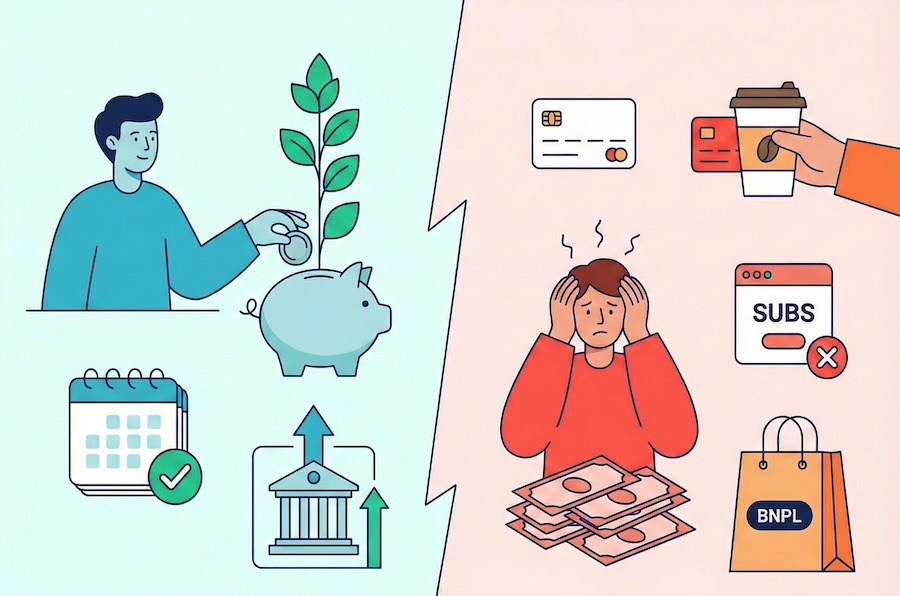
- Do a “statement scan”: look at the last four to six weeks of transactions and circle anything you wouldn’t be happy to repeat every month – extra subscriptions, food delivery, late‑night impulse shopping.
- Pick one or two concrete changes, not ten: for example, cancelling two unused subscriptions and setting a simple eating‑out limit for March.
If you got any cash gifts over summer, or a small bonus, decide on a rule: perhaps half goes towards something fun soon, and half towards a goal like an emergency buffer or credit card repayment. That way you still enjoy it, but you’re not watching it vanish into the general money puddle.
March–May: rates, bills and protection
As autumn starts, make this your “big picture” season.
Home loan and rent
- Average new home loans are now close to $700,000, with typical repayments nudging around $4,000 a month at current rates, so every fraction of a per cent matters.
- With more than 640,000 mortgages refinanced last year, lenders are clearly open to sharpening rates for the right customers. Block out one evening in March to check your rate, run a quick refinance comparison, or at least call your lender and ask what they can do.
Insurance and safety nets
- Make a shortlist: home and contents, car, health, life and income protection if you have it. Insurance costs have jumped sharply over the last few years, especially for housing, so it’s worth checking what you’re actually paying.
- Decide whether each policy is still the right level of cover, then do one or two quote comparisons. Even shaving $40 a month across a couple of policies adds up over a year.
Small business and side‑hustle owners can also note the key tax and BAS deadlines through April and May, and use March to get bookkeeping up to date so those dates aren’t a mad scramble.
June–August: super, energy and tax season
Winter is the natural time to focus on long‑term security – and the bills that spike when it’s cold.
Superannuation
- Employers generally have to pay super at least quarterly; official guidance highlights due dates across the year, and it’s smart to log into your fund in July to check contributions have actually landed.
- From 1 July 2025 the Super Guarantee moved to 12 per cent, so by mid‑2026 that higher rate should be showing up on your payslip. Use July to check your super line – if the numbers don’t look right, follow up with payroll or your fund.
- Funds publish specific end‑of‑financial‑year cut‑off dates so personal contributions count for that tax year, typically around late June. Put a reminder in your calendar a couple of weeks before, in case you want to top up.
Energy bills around 1 July
- In many states, electricity and gas prices change from 1 July, which means the bills arriving in July and August can jump. Set aside time in June or early July to compare energy providers using government comparison tools such as Energy Made Easy and your state’s own site, and check you’re on a competitive plan before the worst of winter hits.
Tax time
- Many people still file their tax return between July and September, even if their formal deadline with a tax agent is later. Aim for one “tax Saturday” in June or July where you gather receipts, rental statements, health costs and donation records.
- Before any refund lands, make a short plan with your partner or on your own: for example 40 per cent towards debt, 40 per cent to savings or investments, and 20 per cent for something guilt‑free. Choosing ahead of time reduces the chance it quietly disappears.
September–November: spring‑clean and Black Friday traps
Spring is perfect for a reset before the end‑of‑year chaos.
- Refresh your budget with actual 2026 numbers: new insurance premiums, any rent rise, updated childcare or school costs. The cost‑of‑living indexes show these essentials are the main things shifting, not the occasional treat.
- Book a “spring mortgage check” every September: rate forecasts for 2025–26 have bounced around, and experts still expect borrowing costs to stay relatively high, so it’s worth checking you’re not overpaying.
- Use this time to check your will, powers of attorney and the beneficiaries listed on your super. It’s not glamorous, but it’s one of the most caring things you can do for kids and ageing parents.
Then bring in the sales:
- Late November’s Black Friday and Cyber Monday sales can either blow your budget or help you stick to it. Go in with a list and a pre‑set dollar limit, use the discounts to buy Christmas gifts you were going to buy anyway, and steer clear of “bargains” you’d never planned for.
This is also when you decide what kind of Christmas and summer holiday you can actually afford this year. Pick a total number and divide it by the weeks left – then set up an automatic transfer into a separate “Summer” account.
December–January: celebrations, then a quick review
End the year with intention, not just exhaustion.
- Through December, keep an eye on how your real Christmas and holiday spending matches the plan you set in spring. If it’s blowing out, adjust in real time rather than waiting for a January shock.
- In late January, before the new school year chaos, spend half an hour looking back over your 2026 money calendar. What did you actually do? Where did you ignore your own reminders? What helped the most?
Then, when Valentine’s rolls around again, you’re not just looking at a statement and feeling annoyed. You’ve got a clear sense of what this year cost, what you changed, and how to tweak your 2027 calendar so money feels a bit less stressful and a bit more under your control.